Mirklurk: Every Step Matters Camping in The Mirk
Fire, dry wood, tree cover, stash discipline, and night survival.
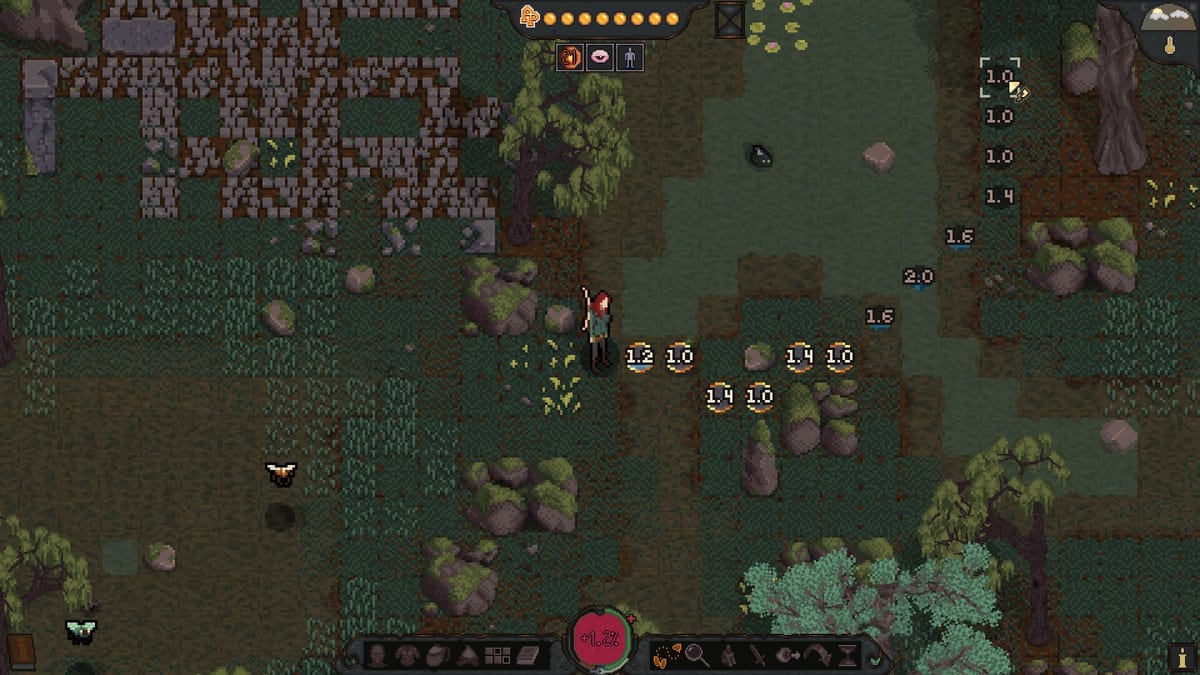
Camping is the difference between a hard day in Mirklurk: Every Step Matters and a dead exile by morning. The Mirk does not care that you won a clever grid fight if you cannot light a fire, dry your fuel, and sleep under lawful shelter. This guide covers firecraft, wood handling, stones, tree-cover rules, stash chests, torches, and how to schedule nights so Warmth and Focus recover instead of collapsing.
Read this beside the Survival Guide. Camping is how you reset the meters that guide explains.
Why camps matter more than “a place to sleep”
A proper camp is a workshop:
- It restores Focus through rest.
- It restores Warmth through fire and cover.
- It lets you dry wet wood into usable fuel.
- It gives stash chests a home so your pockets stay fight-ready.
- It creates a known rally point when procedural terrain tries to confuse you.
Without a camp loop, every expedition is a one-way bet against night cold, rain, and fever risk.
Firewood and wet wood
Gather firewood whenever your route allows, not only when the sun is already setting. Swamp wood is often wet. Wet fuel is unreliable and can turn a simple evening into an accident festival—especially if Focus is low and fire-striking goes wrong.
Dry wet wood near the fire. Do not treat the fire pit as a trash chute for soaked logs. Drying is a deliberate step: get a fire going with better fuel, park wet wood in the drying position the game allows, and convert tomorrow’s night into something survivable. Players who skip drying eventually learn the lesson at the worst possible hour.
Wood priorities:
- Keep a starter amount of usable fuel on you or in a nearby stash.
- Convert wet finds into dry stock during safe daytime burns when possible.
- Never assume “there will be dry wood at the next tree line.”
Stones for campfires
Stones matter for building campfires. Treat them like structural components, not junk. When you spot stones on a scavenging loop, take what you need for the next fire setup and stash extras if weight allows. Running out of stones at dusk is a classic beginner wipe: you have wood, you have a knife, and you still cannot assemble a proper fire point.
If a merchant sells convenience materials that solve a stone or fuel gap, that trade can be worth more than a shiny weapon you are not ready to AP-feed. See Crafting for inventory tradeoffs.
Tree cover shelter rules
Shelter in The Mirk is not “any tree-shaped pixel.” Camp under tree cover, using the canopy as protection. Do not camp against the trunk. Pressing the camp into the trunk can kill the tree and wreck the shelter logic you depended on. This is one of the most important spatial rules in the game and a frequent source of “I thought I was safe” deaths.
Shelter checklist:
- Look for canopy coverage that matches how the game recognizes cover.
- Leave the trunk alone; you need the living tree more than a cozy screenshot.
- Scout the camp tile before night—confirm you can place fire components and still have AP.
- Avoid open cold flats when a covered option exists within remaining daylight AP.
Stash chests and inventory honesty
Stash chests let you stop living like a pack mule. Dump surplus fuel, spare stones, trade goods, and situational armor at camp so your field kit stays light enough for climbing, Warmth, and emergency movement. Heavy steel that shines in the Combat Guide can be a camp-stored loadout you equip only when you know a fight is coming.
Stash discipline:
- Store wet-to-dry wood pipelines at the camp you actually use.
- Keep a labeled mental list: emergency food, torch materials, backup weapon shape, spare stones.
- Do not stash your only firestarter kit three biomes away from where you plan to sleep.
Torches and night movement
Night is cold and dangerous. Torches help you see and reduce the chance that darkness turns a short walk into a disaster. They do not replace a fire, and they do not erase Warmth loss. Use torches when you must relocate, finish a critical handcrafted POI, or escape a bad camp call—then get under cover and burn a real fire.
Night movement rules of thumb:
- If meters are already bad, do not travel; camp now.
- If you travel, pre-pay the torch and fire costs in inventory before you step.
- Count AP for the walk and the camp setup at the destination.
- Rain plus night is a double tax—read weather as a schedule, not flavor.
Building an evening routine
A reliable evening sequence looks like this:
- Arrive with enough AP to work—do not sprint-slopes into camp on empty.
- Place the fire with stones and usable fuel.
- Start drying wet wood immediately.
- Eat to stabilize Hunger before sleep.
- Stash overflow and re-equip a sleep-safe kit.
- Confirm tree-cover placement is legal (canopy, not trunk).
- Rest to recover Focus and prepare Energy for morning.
If any step fails because of accidents, stop escalating. Low Focus causes failed firecraft; failed firecraft worsens Warmth; low Warmth ruins the night. Fix Focus and fuel first.
Camps as strategy, not scenery
Handcrafted survivor camps, merchant stops, and your own wilderness sites form a network. Procedural terrain changes the in-between tiles, but your brain should still hold a small set of safe nodes. Expand the network only as fast as you can keep each node stocked with stones, dry wood potential, and stash value.
Use camps to stage dungeon attempts. Darkness in caves is its own monster—leave from a camp that can receive you afterward with food and fire ready. Early Game Tips helps you choose when to push versus when to consolidate.
Common camping failures
- Camping against the trunk and destroying the shelter tree.
- Feeding wet wood straight into a struggling fire.
- Forgetting stones until after dark.
- Carrying every trophy instead of using stash chests.
- Walking at night with no torch and no backup fuel.
- Spending the last AP on loot instead of fire setup.
Closing the loop with other systems
Camping feeds survival meters; survival meters feed trustworthy crafting and combat. Controls knowledge keeps you from wasting AP on slopes so you arrive able to build. Getting Started teaches the first camp; this page teaches how to keep camping forever.
In The Mirk, home is not a town square. Home is a legal canopy, a dry log, a stone ring, and a stash that still has tomorrow’s breakfast. Master that, and Every Step Matters starts to feel like a plan instead of a threat.
Frequently Asked Questions
Quick answers for surviving The Mirk.
Can I camp against a tree trunk?
No. Camp under tree cover using the canopy. Camping against the trunk can kill the tree and ruin your shelter.
What do I do with wet wood?
Dry it near a working fire before relying on it as primary fuel. Wet wood is a future resource, not instant safety.
Why do I need stones?
Stones are used for campfires. Without them you may have wood and tools but still fail to build a proper fire setup at night.
Are stash chests worth using early?
Yes. Stash surplus fuel, stones, and heavy armor at camp so travel kits stay light for Warmth, climbing, and emergency AP spends.
Do torches replace a campfire?
No. Torches help night vision and short movement. You still need fire, dry fuel, and proper shelter to handle cold and rest.