Mirklurk: Every Step Matters Survival in The Mirk
Master Hunger, Focus, Energy, Warmth, and Well-being before the swamp does.
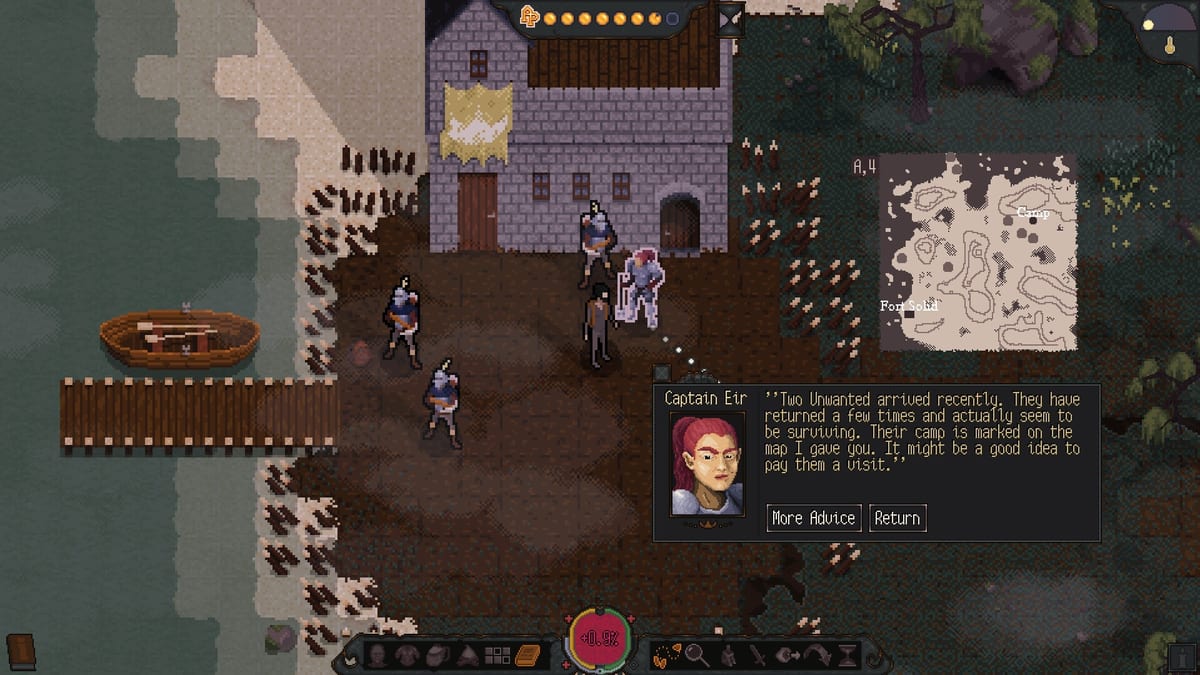
Survival in Mirklurk: Every Step Matters is a layered meter game wrapped around turn-based movement. You can win a fight and still lose the run if Hunger, cold, exhaustion, or mental fatigue catch you between camps. This guide explains each survival axis, how they feed Well-being, and how weather and night turn small mistakes into exile-ending spirals.
Well-being is the summary, not the HP bar
Well-being is an overall synopsis of how your body and mind are holding up. It is not your combat hit points. Combat HP lives on a grid described in the Combat Guide. Well-being instead combines the pressure from Hunger, Focus, Energy, and Warmth. When Well-being is poor, expect accidents: slipping while striking flint, cutting yourself during firecraft, missing obvious loot, or wasting AP on failed interactions.
Treat Well-being as your “can I trust my hands today?” meter. Keep it stable so that camping and crafting actions succeed when you need them most.
Hunger
Hunger rises as you travel and work. Early on, The Mirk does not always offer clean meals. Frogs, bugs, scavenged scraps, and cooked finds all matter. Eating is not only about filling a bar—it is about preventing the cascade where low Hunger tanks Well-being, which then ruins fire attempts, which then ruins Warmth at night.
Practical Hunger habits:
- Eat before long AP-heavy marches, not after you are already stumbling.
- Prefer cooked or known-safe food when fever or rain risk is high.
- Do not hoard every edible forever if meters are crashing; a stash chest exists so you can store surplus without carrying it into a fight.
- Pair foraging routes with camp returns so you are not exploring empty-handed at dusk.
Foraging skill and smart inventory choices from the Crafting Guide make Hunger management less desperate over time.
Focus (tiredness)
Focus tracks mental tiredness. It drains across the day and recovers primarily when you rest. Low Focus is dangerous because Mirklurk ties “accidents” to depleted attention. Magic or special tools that spend Focus (as shown in later systems and some gear) make this even sharper: burn Focus to win a fight, then fail to light a fire afterward.
Protect Focus by:
- Ending days before you are a zombie clicking through menus.
- Avoiding unnecessary combat that extends the day past your rest window.
- Resting at a proper camp rather than micro-napping in unsafe open tiles.
- Watching for cascading mistakes—if you just failed a simple craft, stop and reassess meters instead of forcing another attempt.
Energy
Energy is the stamina layer for effortful actions. Interactions often need enough Energy to perform. Passing a turn while you still have full AP can help restore stamina patterns, but that is not a substitute for food and sleep. Energy shortages show up when you try to work, climb, or fight after a brutal march.
Energy tips:
- Budget AP so you are not arriving at a resource node already spent.
- Remember slopes cost more AP; Energy and AP pressure stack on hills and rough swamp tiles—see Controls.
- If Energy is low, prioritize camp setup over “one more ruin.”
- Use quiet turns intentionally when recovery matters more than progress.
Warmth
Warmth is the swamp’s quiet killer. Night is cold and dangerous. Rain soaks plans and raises fever risk. Torches help you see and move with less panic, but they do not replace a fire and shelter strategy. Wet wood burns poorly until dried near a working fire. Steel and heavy combat kits can work against Warmth and climbing even when they help in scrapes.
Warmth checklist:
- Gather firewood and stones before dusk.
- Dry wet wood near the fire instead of feeding the pit garbage fuel.
- Camp under tree cover, not against the trunk (camping against the trunk can kill the tree and break the shelter logic).
- Treat rain as a schedule change: shorten the day, secure cover, watch fever.
- Keep a night plan even if you “feel fine” at sunset.
Full fire and shelter procedure lives in Camping.
How the four meters interact
Think in loops, not isolated bars:
- Travel spends AP, Energy, and often Warmth or Hunger.
- Low meters reduce Well-being and raise accident chance.
- Accidents waste tools, time, and remaining AP.
- Wasted time pushes you into night underprepared.
- Night cold and predators punish the underprepared.
Breaking the loop means intervening early: eat on time, rest on time, dry fuel on time, and refuse optional fights when meters are already red. Early Game Tips turns this into a day-one checklist; this page is the systems reference.
Weather, night, and disease pressure
Night changes the risk table. Cold accelerates Warmth loss. Vision drops without light. Creatures and misclicks get more expensive. Rain is not cosmetic—it undermines Warmth and can push fever risk when you stay wet and cold. If you must move at night, carry torch capability, know your next cover tile, and keep enough AP to actually build a fire when you stop.
Fever and accident spirals are why “just a bit more loot” is a classic Mirklurk wipe. The swamp is procedural around handcrafted anchors, so there will always be another crack, ruin, or shiny scrap tomorrow—if you survive tonight.
Survival loadouts and skills
Skills such as foraging, brewing, hunting, exploring, and trading are survival tools as much as RPG progression. Foraging stabilizes Hunger. Brewing can support status and utility needs as systems unlock. Hunting ties into food and materials. Exploring reduces wasted AP on dead ends. Trading converts surplus into the exact missing piece—dry food, better torch fuel, warmer clothing, or a weapon whose pattern fits your combat style.
Armor and clothing are survival decisions. A combat-optimized steel set may win a grid fight and then drain Warmth or punish climbing on the walk home. Dual loadouts—travel light, arm for known fights—beat one “best” outfit worn forever.
Putting it into a daily plan
Morning audit: Hunger, Focus, Energy, Warmth, torch status, wood status. Midday work: gather and trade within a radius that still leaves AP for camp. Afternoon commit: either return to shelter or confirm you can build a new safe camp before dark. Night: fire, dry wood, eat, stash, sleep. If any morning meter is already critical, cancel sightseeing.
When survival is stable, deepen combat mastery and gear crafting. When survival is unstable, ignore optional story beats until the meters forgive you. Every Step Matters means the tile you walk, the AP you spend, and the meter you ignore all write the ending of the day.
Frequently Asked Questions
Quick answers for surviving The Mirk.
What is Well-being in Mirklurk?
Well-being summarizes Hunger, Focus, Energy, and Warmth. It is not combat HP. Low Well-being increases accidents and failed interactions.
How do I recover Focus?
Focus drains over the day and recovers mainly through rest. Do not dump Focus on late fights if you still need reliable firecraft afterward.
Why am I cold even with a weapon and armor?
Warmth is its own meter. Night, rain, wet gear, and some heavy combat loadouts work against it. You need fire, dry fuel, and proper tree-cover camping.
Does rain actually matter?
Yes. Rain threatens Warmth and raises fever risk. Shorten routes, secure cover, and dry wood properly instead of pushing a soaked night march.
Should I always pass turns to restore Energy?
Passing with full AP can help stamina recovery, but it is not a full substitute for food, warmth, and sleep. Use it as a tactical pause, not a lifestyle.