Mirklurk: Every Step Matters Magic in The Mirk
Orbs are powerful—and they bill your survival meters, not a free mana bar.
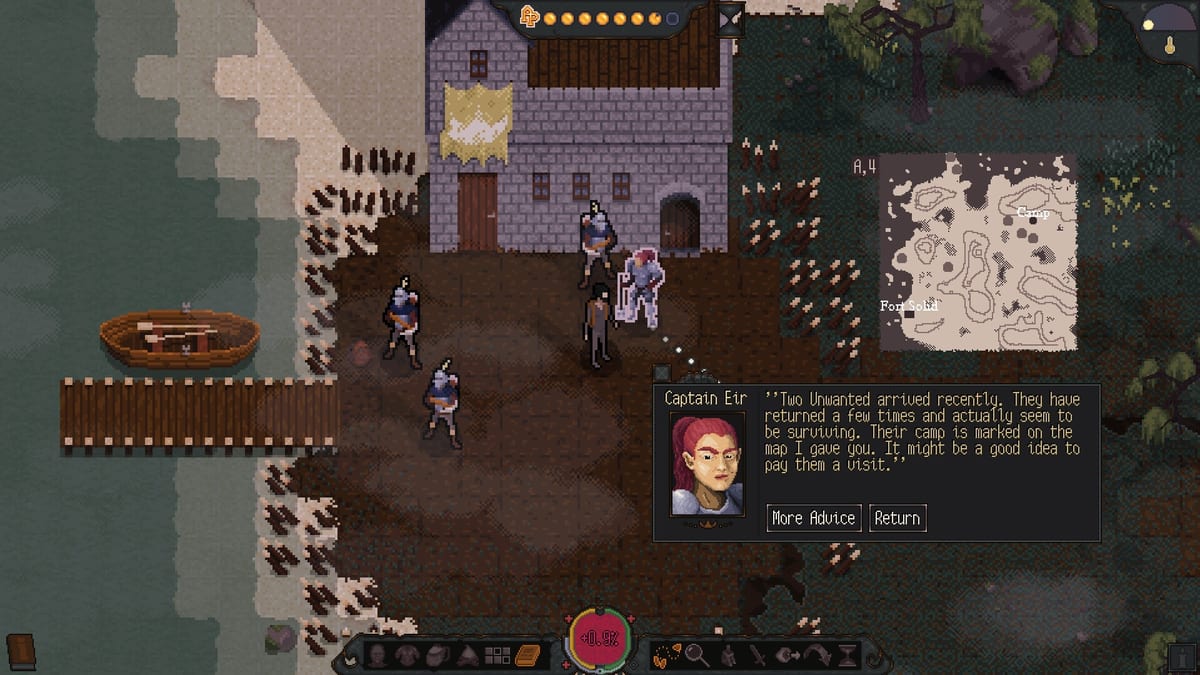
Magic in Mirklurk: Every Step Matters is intentionally a small slice of the fantasy. The Mirk is a turn-based swamp survival RPG first: Hunger, Focus, Energy, Warmth, Well-being, camping, and grid combat carry most runs. Spells and magical tools exist so you can break a stuck fight or open a route—not so you can ignore the night. This guide explains the design behind that choice, how magical orbs spend survival meters instead of a free mana pool, and when casting is smarter than walking back to camp.
Watch the embedded Edym Pixels devlog on rethinking mana for the developer’s framing, then use this page as the practical checklist. For meter fundamentals see the Survival Guide. For a loadout that leans into orbs, compare the Mage build. Patch context for magic items and quest expansion sits in Version 1.0 and Patch notes.
Why mana was rethought
A classic RPG mana bar lets you dump spells until empty, then rest or drink, while Hunger and cold stay as separate homework. In The Mirk that split felt dishonest: every Action Point already buys movement, firecraft, and combat patterns. Adding a free magical currency would let players skip the exile fantasy and treat the swamp like a dungeon crawler with a blue flask.
Edym Pixels’ answer was to make magic expensive in the currencies you already fear. Orbs and related magic items do not sip from an invisible pool. They lean on Warmth, Focus, or Hunger—the same meters that decide whether you light a fire cleanly or cut yourself on flint. Win the grid, lose the night, and the run still ends. That is the point.
Treat magic as a loan against tomorrow morning, not a free power fantasy.
What orbs actually cost
Read each orb’s cost before you swing it. Different tools bill different meters:
- Warmth drain — deadly when you are already cold, wet, or marching after sunset. Casting a Warmth-taxed orb in the rain is how fever risk and failed camps stack. If Warmth is yellow or worse, prefer steel, spears, or disengage.
- Focus drain — Focus is mental tiredness. Burning it mid-fight can finish a snake and then sabotage campcraft: accidents while striking flint, botched drying, missed stash habits. Low Focus after a “clever” cast is a classic wipe loop.
- Hunger drain — food pressure rises. An orb that eats Hunger on an empty stomach pushes Well-being down just when you need clean hands for shelter.
Energy still matters for effortful actions around the cast, and AP still pays for aiming and swapping. Magic never replaces the Combat Guide basics: geometric patterns, armor placement, and knowing when eight AP are better spent walking away.
Cast versus camp: a decision tree
Before you cast, ask:
- Is the fight optional? If you can route around the threat with AP left for wood and stones, do that. Magic is for bottlenecks, not vanity.
- Which meter is surplus? Match the orb to a meter you can refill tonight—food in pack for Hunger orbs, dry fuel and tree-cover camp for Warmth orbs, early rest for Focus orbs.
- What happens after the kill? Count AP to the nearest safe camp tile. If the cast leaves you shivering with two AP and wet wood, you did not win.
- Is rain or night already taxing Warmth? Warmth-cost magic becomes nearly toxic under those conditions. Camp first; cast tomorrow.
When meters are green and a dungeon choke demands burst damage, orbs shine. When meters are mixed, a boring Force weapon from the weapons tier list is often the wiser “spell.”
Magic items after patch 0.9 and into 1.0
Patch 0.9.0.0 expanded the magical toolkit: new magic items, locations, NPCs, main-quest beats, and permanent chests that reward careful exploration. Full 1.0 (November 25, 2026) inherits that foundation after Early Access from June 11, 2026. Do not invent balance numbers from memory—skim Patch notes when an orb feels different after an update, then re-test costs on a save you can afford to lose.
Permanent chests matter for mages because rare components and spare food buffer the Hunger and Warmth taxes. Pair orb hunting with examining ruins and cracks—habits covered in the Exploration Guide.
Day plan for mage-leaning exiles
Morning: audit Hunger, Focus, Energy, Warmth; decide which one orb type is legal today. Midday: gather food and dry wood before you spend meters on spells. Afternoon: clear one high-value fight or dungeon room with a prepared orb, then stop. Evening: camp under tree cover (not against the trunk), dry wet wood, eat to repair whatever the orb billed, stash surplus, sleep to restore Focus.
Never schedule a “magic day” with no recovery window. The Camping Guide and Crafting Guide are as important to a mage as any spell list. Skills on the skills tier list that stabilize foraging and exploring reduce how often you feel forced to cast under red meters.
Combat habits with orbs
- Preview the enemy grid; cast only if the orb’s effect actually solves the remaining cells.
- Keep a non-magical backup pattern weapon so you are not orb-locked when Warmth is critical.
- Use scouting and careful positioning so you do not waste a costly cast on a fight you could have declined—see Controls for aiming and scouting habits.
- After a Focus-taxed fight, refuse optional crafts until you rest.
Compare playstyles: Forager uses orbs situationally; Warrior may keep one emergency orb; the Mage build builds the day around surplus meters and recovery.
Common mage mistakes
- Treating orbs like free mana from other RPGs.
- Casting Warmth orbs while soaked or at dusk.
- Dumping Focus, then failing firecraft and dying to cold.
- Exploring empty-handed after Hunger-taxed casts.
- Ignoring Well-being accidents because “the spell worked.”
Magic rewards patience. Every Step Matters includes the step where you do not cast.
Practice loop
- Win three fights with zero orbs while meters stay stable.
- Win one fight with a single orb whose cost you can refill the same night.
- Deliberately skip a cast when Warmth is low and route to camp instead.
- Review Early Game Tips so early days do not lean on magic before your pantry exists.
When survival is boringly stable, magic becomes a scalpel. When survival is loud, put the orb away. That discipline is the real mage skill in The Mirk.
Frequently Asked Questions
Quick answers for surviving The Mirk.
Does Mirklurk have a normal mana bar?
No free classic mana pool for orbs. Magical tools bill survival meters such as Warmth, Focus, or Hunger so spells stay tied to the exile fantasy.
Which orb cost is most dangerous at night?
Warmth drain. Night cold and rain already pressure Warmth; stacking an orb tax on top often ends in failed camps or fever risk.
When should I cast instead of camping?
When a bottleneck fight is unavoidable, you have a surplus meter matching the orb’s cost, and enough AP left afterward to reach safe tree-cover camping.
What did patch 0.9 add for magic players?
Patch 0.9.0.0 added magic items, new locations and NPCs, main quest expansion, and permanent chests—tools that support orb play without removing survival costs.
Where should I go after this guide?
Read Survival for meters, Exploration for chests and ruins, the Mage build for loadouts, and Version 1.0 / Patch notes for release context.