Mirklurk: Every Step Matters Skills Tier List
Rank foraging, harvesting, dodge, combat, crafting, and costly magic investments.
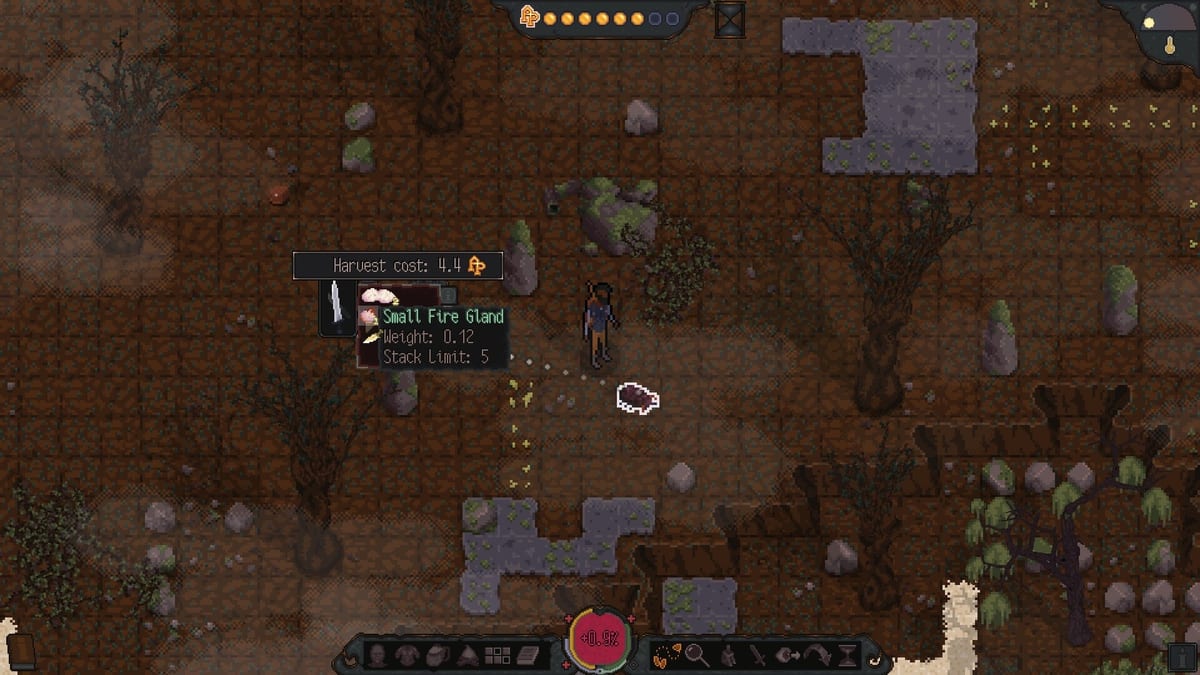
Skills decide whether your 8 AP each turn buy progress or panic in Mirklurk: Every Step Matters. This skills tier list is community-informed: it weights how abilities support Hunger, Focus, Energy, and Warmth, how they feed crafting and trading loops, and how they interact with weapon patterns from the weapons tier list. It is not an official Edym Pixels ranking.
The swamp rewards specialists who still keep a survival floor. A combat-only exile who cannot dry wood or brew a wound salve will burn through torches and bedrolls. A pure forager who never invests in dodge or spacing will donate inventory to snakes. Use the tiers below to plan your first levels, then refine with the Forager build or Warrior build.
S-tier skills
Forage / harvest lines. Gathering food, herbs, and materials is the backbone of long runs. Efficient foraging keeps Hunger stable so Hunger-draining magic stays optional, and it supplies potion ingredients for trading. When terrain is randomly generated but dotted with handcrafted pockets, strong harvest skills turn every detour into fuel for the next camp.
Core camping and firecraft support. Anything that reduces failed fires, wet-wood mistakes, or rest accidents belongs near the top. Focus drops through the day and only fully recovers with rest; skills that make rest safer or faster protect every other investment. Pair these with the survival checklist.
Dodge / disengage fundamentals. Opportunity attacks punish greedy melee. Dodge and movement-efficiency skills (including vegetation or obstacle helpers such as Strider-style perks) let you spend AP on meaningful patterns instead of emergency heals.
A-tier skills
Combat pattern mastery. Rank-ups that improve accuracy, crit-like outcomes, or status application amplify Force, Bleed, Poison, and Piercing kits. They climb to S when paired with a finished weapon plan, but alone they cannot feed you.
Brewing and potion craft. Turning herbs into salves and trade goods creates soft power. Brewing supports both warrior sustain and forager economies. Inventory space remains tight—skill into brewing only if you can carry or stash products.
Hunting. Complements foraging when meat and creature parts matter, and teaches combat spacing against wildlife you might otherwise skip. Slightly below pure forage because fights always risk HP grids.
Trading and barter sense. Not flashy, yet A-tier for converting surplus potions or loot into spears, armor pieces, and torches without another dangerous delve.
B-tier skills
Heavy armor specialization without Warmth offsets. Steel chestplates help in fights but hurt climbing and heat management. Skills that only push armor value can trap you in cold, wet nights. Take them after you own a Warmth plan.
Deep magic investment. Orbs that drain Warmth, Focus, or Hunger become safer with supporting skills, but the tax remains. Magic-focused trees are B until you routinely schedule rests and meals; they can spike to A for experienced players after the mana rethink covered in Version 1.0.
Niche exploration perks. Great for ruin crawling and dungeon prep, less critical on your first exile when food and fire still dominate.
C-tier (or “later”) skills
Dumping early levels into prestige combat only. Ignoring forage and firecraft creates brittle characters who look strong until the first multi-day storm.
Magic without meter literacy. Spending points to unlock orb tricks before you understand Focus accidents at the campfire is a common failure mode.
Redundant tiny bonuses. Prefer broad survival multipliers over micro combat tweaks until your Getting Started habits are automatic.
Early versus late priorities
Early: Forage/harvest → fire/rest safety → dodge/movement → a single combat line that matches your starter Force weapon.
Mid: Brewing, hunting, trading, and a Piercing or ranged complement. Revisit the Tier List Hub when your kit changes.
Late: Selective magic, armor tradeoff skills, and exploration perks for unique locations added through the 0.9 and 1.0 windows. Read patch notes if skill bugs (historically called out in Steam news) affected your tree.
Synergy checklist
- Does this skill feed Hunger or Warmth indirectly?
- Does it reduce AP wasted on failed interactions?
- Does it make your highest-tier weapon safer to use?
- Can trading convert the skill’s outputs into gear you lack?
If you answer no four times, spend the point elsewhere. Return to Players Hub for full builds, Guides Hub for walkthroughs, and Links Hub for Discord feedback threads where the community stress-tests new patches. Skills are how every step stays intentional—invest like your next camp depends on it, because it does.
Frequently Asked Questions
Quick answers for surviving The Mirk.
What should I level first in Mirklurk?
Foraging/harvest and camping safety, then dodge or movement helpers, then a combat line that matches your starter Force weapon.
Are magic skills worth it?
Yes for experienced players who manage Warmth, Focus, and Hunger. They are costly early; treat deep magic as mid-to-late unless you already master resting.
Do armor skills conflict with survival?
Steel-focused investments can hurt climbing and Warmth. Take them alongside soft layers, fires, and food plans—not instead of them.
How do skills relate to weapon tiers?
Skills raise or lower practical weapon tiers by stabilizing meters and spacing. Check both lists before locking a build.
Is this ranking official?
No. It is community-informed from documented survival and combat systems and should be revisited after major Steam updates.